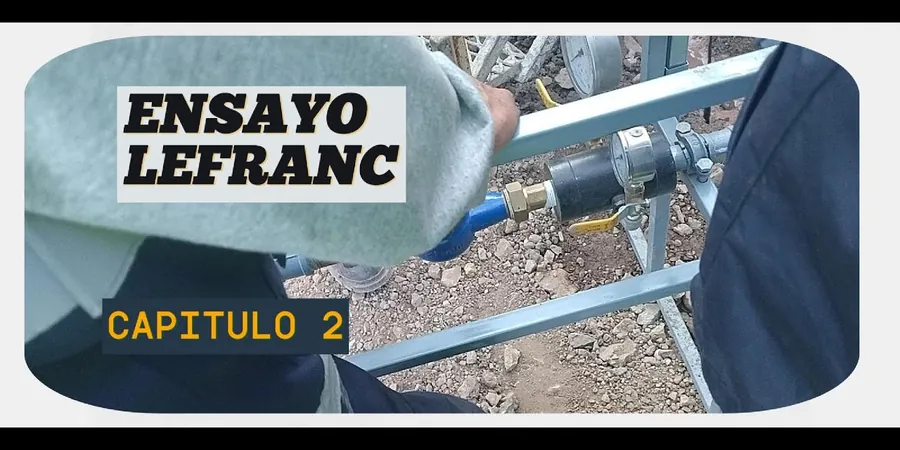
Drilling into Limerick's geology often reveals more than just soil and rock; the interaction between the River Shannon's alluvial deposits and the underlying glacial till creates a complex groundwater regime. What we consistently observe in the city centre and along the Dock Road corridor is that standard lab tests rarely capture the true mass permeability influenced by fissures and sandy lenses. This is where a field permeability test (Lefranc/Lugeon) becomes essential. It moves beyond small-sample analysis to provide a direct measurement of hydraulic conductivity in the actual ground conditions. For projects involving deep basements in the city or infrastructure near the river, integrating this data with a slope stability assessment early on can prevent significant dewatering surprises during excavation.
In Limerick's layered deposits, a single Lugeon packer test across a fractured limestone zone can define the difference between a manageable seepage rate and a high-flow artesian condition.