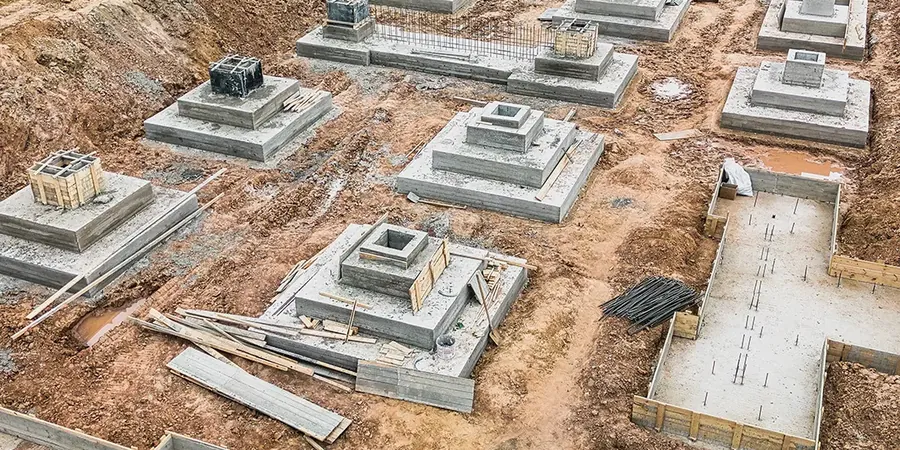
A six-storey mixed-use development near the Abbey River ran into trouble at foundation stage: the upper alluvium was barely 60 kPa at 3 metres, but the brief demanded column loads exceeding 1,200 kN. That kind of contrast is exactly what we work with across Limerick city and county, where the Shannon’s floodplain deposits sit over variable glacial till and karstified limestone bedrock. Pile foundation design here is rarely a copy-paste exercise. Our laboratory team processes Shelby tube samples from the soft estuarine silts — measuring undrained shear strength, consolidation parameters, and sensitivity — so the geotechnical model captures the real layering before a pile type is even selected. In boreholes along the Dock Road, we have seen organic clay lenses less than a metre thick that halve the shaft friction, and missing them changes the pile length by four or five metres. Combining site-specific lab data with CPT testing profiles helps resolve those transitions without relying on regional correlations alone.
In Limerick’s estuarine clays, a sensitivity ratio above 4 can halve the shaft adhesion — if the lab doesn’t measure it, the pile design is guessing.