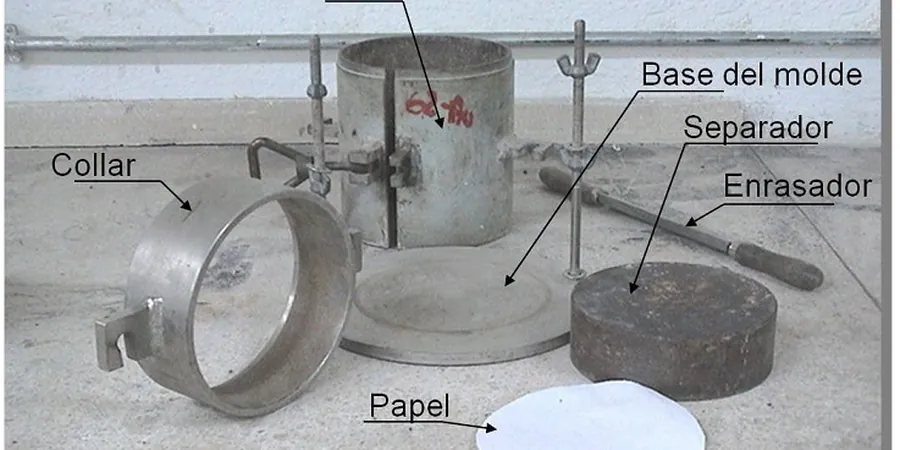
Limerick, built on the banks of the Shannon where the tidal estuary meets the drumlin belt, sits at just 10 metres above sea level. The underlying geology shifts from Carboniferous limestone bedrock near the city centre to glacial tills and alluvial silts as you move toward Raheen and Castletroy. These loose, water-sensitive soils don't forgive guesswork. A Proctor test pins down the exact moisture-density relationship for any fill material before a single roller hits the site. When we run compaction curves in our lab, we're not just following a procedure—we're establishing the target values that determine whether a road base, a building pad, or an embankment will hold up under Limerick's wet winters. For deeper ground characterization before earthworks, the test pits investigation gives us direct visual logs of the fill strata we'll be compacting.
A Proctor curve is a single-material fingerprint. Change the borrow pit, and you need a new curve—no exceptions on a Limerick earthworks job.