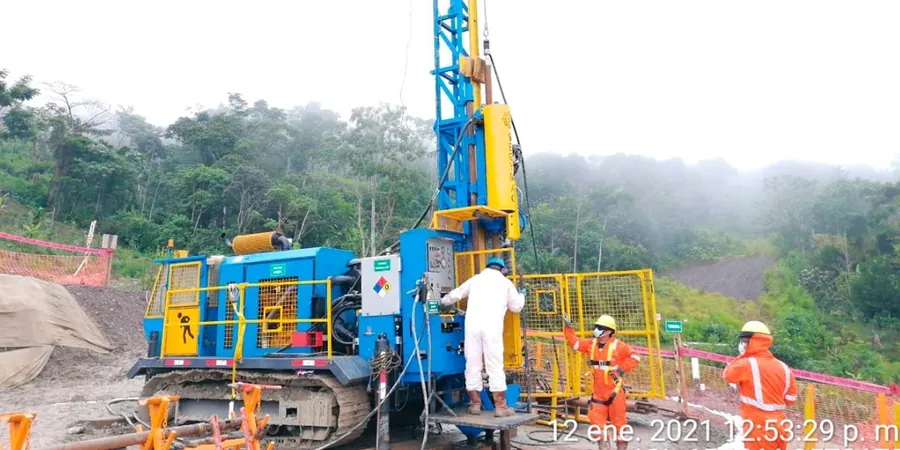
Limerick sits on the River Shannon at just 5 metres above sea level, where the tidal estuary meets layers of alluvial clay, peat pockets, and the occasional limestone pinnacle. With over 100,000 inhabitants and a construction sector pushing into the city’s southern and eastern fringes, the Standard Penetration Test remains the backbone of every sensible ground investigation. We run SPT rigs in tight urban plots off the Dock Road, in greenfield sites near Raheen Business Park, and inside the medieval core where access is a nightmare but the data is non-negotiable. The N-value tells us, in real time, whether that silty layer will take a strip footing or needs to be bypassed with piles. When the borehole reaches the competent limestone bedrock that underlies much of Limerick city, refusal confirms what the driller already suspects — and the SPT hammer tells that story with numbers, not guesswork. For deeper profiling where continuous data matters, we often pair the SPT with a CPT test to capture pore pressure response in the soft estuarine clays, which an SPT alone can miss.
In Limerick's estuarine clays, an SPT N-value of 4 versus 8 changes the foundation strategy from ground-bearing to piled — measured in 450 mm increments.